
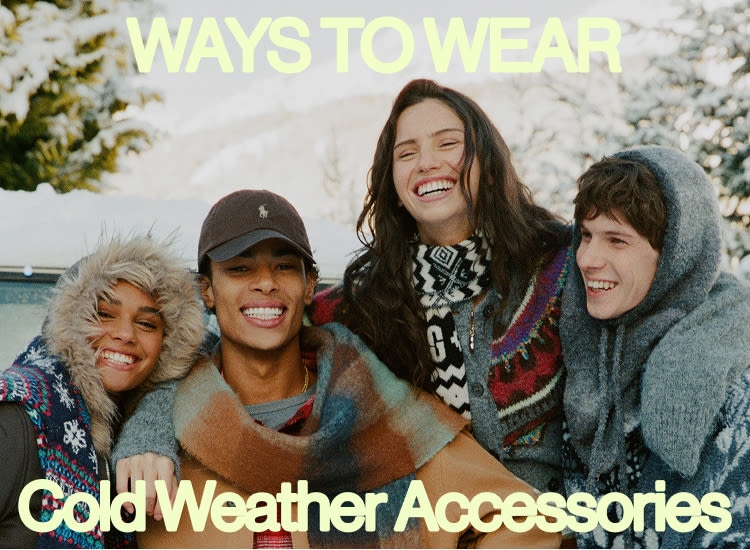
Cold weather doesn't mean your style has to take a backseat. Cold weather accessories like scarves, hats, gloves, mittens and earmuffs not only keep you warm — they're also the easiest way to change up a winter outfit!
The right pieces make a basic coat feel styled and keep you comfortable on a winter walk or a night out in the city. This guide covers the must-have winter accessories, plus styling tips and layering tricks that work with texture, color and function. By the end, you'll know what to wear when the temperature drops.
The right pieces make a basic coat feel styled and keep you comfortable on a winter walk or a night out in the city. This guide covers the must-have winter accessories, plus styling tips and layering tricks that work with texture, color and function. By the end, you'll know what to wear when the temperature drops.
Cold Weather + Winter Accessories
How Do You Dress in Style in Cold Weather?
Dressing for cold weather is all about layering smartly without losing your sense of style. Start with a base layer that keeps you warm but breathes, like thermal long sleeves or lightweight turtlenecks. Then, add insulating layers like cozy sweaters or fleece pullovers. Top it off with a weatherproof coat that suits your vibe, whether that's a puffer, wool overcoat or parka. Don't forget about accessories—they're not just add-ons but key pieces to complete your look. Choose warm socks, gloves and hats that feel good and look great. Remember, the goal is to stay cozy without feeling bulky or weighed down.What Are the Must-Have Winter Accessories for 2026?
Winter accessories do way more than keep you warm—they add character and style to your look. Here are the pieces you need this season:1. Scarf – A must-have once temps drop below 40°F. Beyond cutting the chill, an oversized or chunky-knit scarf is the easiest way to add color, texture, and volume to a plain winter coat.
2. Gloves or mittens – Once it hits sub-35°F, exposed hands aren't an option. Look for touchscreen-compatible fingertips in sleek leather or ribbed wool so you don't have to freeze your fingers to text or change a song.
3. Hat – Crucial for locking in warmth and grounding your silhouette. Keep a ribbed beanie on rotation for everyday streetwear, swap in a beret to sharpen a tailored coat, or grab a trapper hat when severe wind hits.
4. Warm socks – High-quality wool or ribbed knit socks prevent frozen toes and double as a styling element. Let them scrunch slightly above your boots or loafers to add an intentional pop of texture to heavy outerwear.
5. Sunglasses – Low winter sun and snow glare are brutal on the eyes, making a solid pair year-round essential. Lean into sharp, tinted or thick acetate frames to give even your bulkiest puffer an effortless edge.
6. Statement bag – When a heavy coat hides most of your outfit, an eye-catching crossbody or structured tote does the heavy lifting. Pick a sculptural silhouette, bold hardware, or high-contrast shade to break up neutral winter layers while keeping your hands tucked warm in your pockets.
7. Chunky jewelry – Dainty chains get lost under heavy knits, but bold, chunky jewelry cuts right through thick wools and fleece. Layer thick silver or gold hoops, heavy chain collars, and bold rings over ribbed cuffs to instantly elevate a bundled-up look.
Winter Hat Comparison
| Hat Style | Warmth Level | Best Temperature Range | Best Occasions | Styling Context |
|---|---|---|---|---|
| Beanie | High | Below 30°F | Casual outings, outdoor activities | Slouched or fitted; pairs with puffers and parkas |
| Beret | Medium | 30–45°F | Brunch, city walks, date nights | Adds Parisian polish; works with wool coats |
| Fedora | Low–Medium | 35–50°F | Work, evening events | Sophisticated edge; pairs with tailored outerwear |
| Trapper Hat | Very High | Below 20°F | Extreme cold, snow days | Maximum warmth; best with casual winter gear |
| Bucket Hat | Medium | 30–45°F | Casual, streetwear looks | Laid-back edge; pairs with oversized layers |
What Are the Best Winter Hair Accessories?
Winter hair accessories can make all the difference when it's too cold to leave your hair down:· Chunky knit headbands – Keep your ears warm while adding a cozy vibe. Great for 30–45°F days when a full hat feels like too much.
· Velvet or leather scrunchies – Perfect for pulling your hair back in style without the annoying static.
· Gold or tortoiseshell hair clips and barrettes – Add a chic touch to any winter look.
· Wool berets – Keep your head warm while looking polished.
· Fuzzy earmuffs – Ideal for below-freezing temperatures when you want ear coverage without hat hair.
Don't be afraid to mix and match textures and colors with your outfit for a fun, layered look.
What Are the Best Ways to Style a Winter Scarf?
Scarves are one of winter's most versatile accessories and can completely change the vibe of your outfit:· Casual look: Wrap a chunky knit scarf loosely around your neck or drape a plaid scarf over your shoulders.
· Polished look: Fold a silk scarf and tie it neatly under your coat collar or knot it for a pop of color near your face.
· Adventurous look: Try a blanket scarf—wear it as a shawl or even a hood on extra chilly days.
Mixing patterns or textures can add depth, but keep it balanced so it doesn't overwhelm your look. Wool and cashmere scarves retain heat best, while silk adds elegance for milder days. The key is to experiment until you find what feels right for you.
How Do You Layer Winter Accessories?
Layering accessories keeps you warm and looking intentional. Follow these steps:1. Start with your base layer accessories – Put on thin glove liners or a lightweight beanie if you'll be in extreme cold.
2. Add your main warmth pieces – Layer your primary hat, scarf, and gloves. Choose materials like merino wool (retains warmth even when wet) or cashmere (warmth without bulk).
3. Incorporate hair accessories if needed – Add a headband under a hood or earmuffs over a low ponytail.
4. Finish with statement pieces – Add a bold bag, sunglasses, or chunky jewelry to pull the look together.
5. Adjust for your activity – Remove or add layers based on whether you're walking, commuting, or sitting outside.
How Do You Match Winter Accessories?
Matching winter accessories might seem tricky with so many textures and colors, but it's all about balance and subtle coordination. Start by picking a color palette that complements your coat or main outfit—neutral tones like beige, black, and gray are classics that always work. You can add interest by mixing materials—pair a leather bag with a knit hat or a velvet scarf with wool gloves. Matching hat and glove sets also make outfitting easier.Don't feel like everything needs to match perfectly; sometimes contrasting colors or unexpected combos create the best looks. Just keep accessories in the same tonal family or complementary shades to avoid clashing. Texture can be your best friend—it adds visual interest even if colors stay simple. The goal is to look curated but effortless.
How Do You Style Winter Hats?
Winter hats are a must-have for warmth but also a serious style statement:· Beanies – The ultimate everyday staple once temps drop below 35°F. Fold the cuff for a clean, fitted profile or leave it loose for an effortless streetwear drape that pairs with everything from puffers to tailored topcoats.
· Wool fedoras – Best for crisp, dry days between 35°F and 50°F. A wide, stiff brim instantly structures a loose trench or oversized knit without feeling stiff or overdone.
· Berets – Ideal for 30°F to 45°F weather when you want a sharper, minimalist aesthetic. Angle it slightly to frame your face and lend clean lines to long wool coats.
· Trapper hats – Built for freezing temps below 20°F and heavy wind. The shearling lining and ear flaps bring pure utilitarian function while adding distinct volume to your winter silhouette.
· Bucket hats – Swap lightweight cotton for fleece, corduroy or quilted nylon to handle moderate cold. These cold-weather bucket hats deliver an easy, street-ready edge that keeps off-duty layers feeling fresh.
When styling your winter hats, keep color and proportion intentional. Matching your headwear directly to your scarf creates a streamlined, cohesive palette, while a saturated pop breaks up dark monochrome coats. Pay attention to hair, too: low braids and sleek middle parts tuck cleanly under beanies and bucket hats, while loose waves balance the structure of berets and fedoras. The right headwear locks in heat without sacrificing your personal aesthetic.